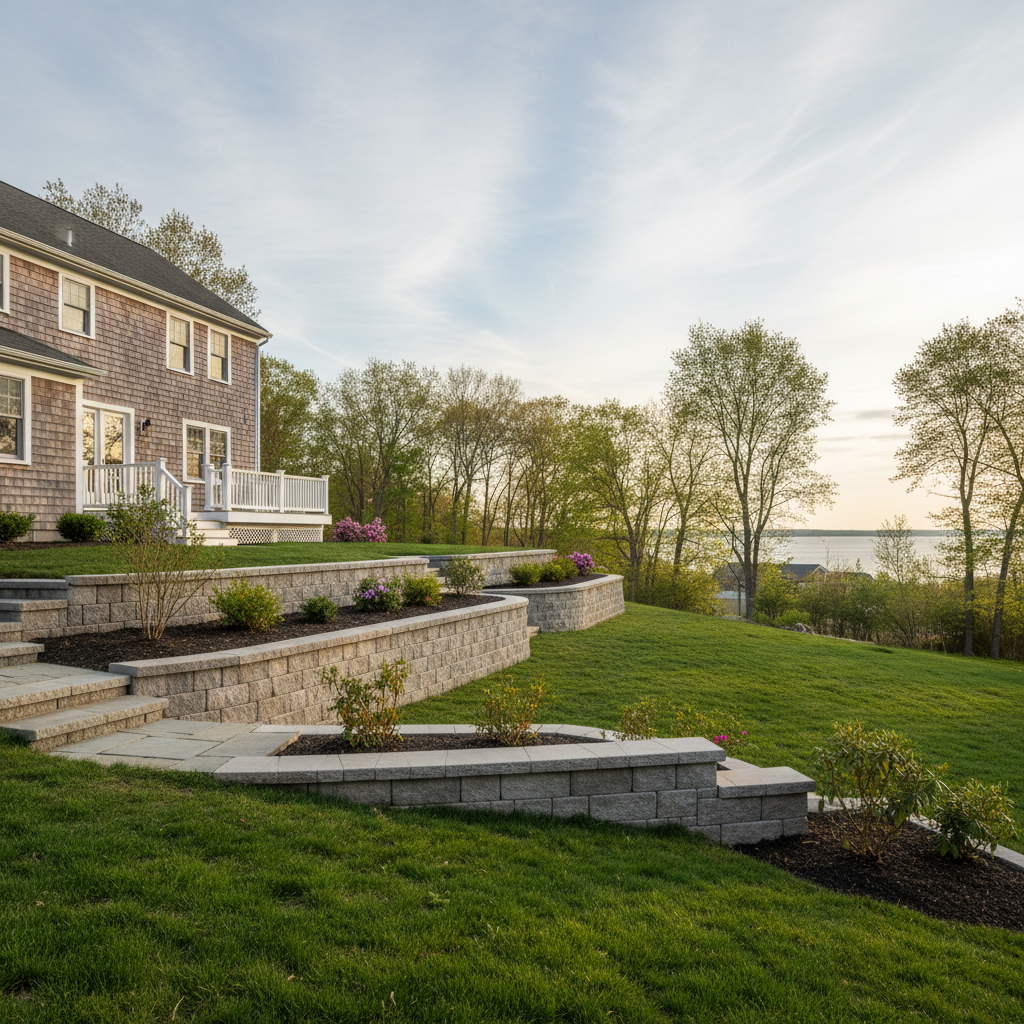
Planning Your Retaining Wall: What to Expect and How to Prepare
So, you're thinking about a concrete retaining wall. Maybe your yard's on a slope and you're fighting erosion, or perhaps you just want to carve out some useful, flat space. Smart move. A good concrete retaining wall isn't just practical; it can really make your property look better and even bump up its value. But before you start dreaming of that perfect terraced garden, let's chat about what a project like this *really* involves. It’s definitely more than just pouring a bit of concrete.
Timeline: How Long Will This Take?
Alright, let’s be honest about how long this takes. This isn't a quick weekend DIY job, and it certainly won't happen overnight. From your initial idea to the finished wall, you're looking at a process that spans several weeks, sometimes even months. Here’s a rough breakdown:
Initial Research & Quotes (2-4 weeks): You’ll want to gather a few quotes from contractors you trust. Don't just pick the first person who answers the phone, you know? Ask around, check their references, and make sure they really know their stuff when it comes to this kind of work. This stage helps you get a feel for the costs and the different ways they might approach the job.
Design & Permitting (4-12 weeks): Often, this is the longest part of the whole process, especially here in East Greenwich where the building department is, well, thorough. If your wall goes above a certain height (usually 3-4 feet, but always double-check with the town), or if it's too close to a property line or a wetland buffer, you’ll need engineered drawings and permits. You absolutely cannot skip this step. Trust me on this one: the town *will* notice, and it'll only cost you more money down the road. Good contractors will help you figure out the permitting maze, but remember, the clock really starts ticking once those plans are submitted.
Scheduling & Material Acquisition (2-4 weeks): Once you've got those permits in hand, your contractor will schedule the work. The best crews are usually pretty busy, so you might need to wait a little while. Materials, especially specific concrete mixes or rebar, also need to be ordered and delivered.
Construction (1-3 weeks, or more): The actual build time really depends on how big and complicated your wall is, plus the weather and site conditions. Digging, setting up forms, placing rebar, pouring the concrete, and letting it cure—it all takes time. If you’re building a big wall, maybe along one of those steep slopes down by the waterfront, that's going to take longer than a small garden wall, right?
So, from beginning to end, you're probably looking at anywhere from 2 to 5 months. Patience truly is a virtue here.
What to Expect During the Process
Once construction kicks off, your yard is going to look like a construction zone. There's just no way around it. You'll definitely see:
Heavy Equipment: Excavators, skid steers, maybe even a concrete pump truck. These machines are loud, and they're going to mess up your lawn a bit. We try our best to be careful, but some disruption is just part of the deal.
Noise & Dust: Digging, cutting, pouring—it all makes noise and can kick up a lot of dust. It's a good idea to give your neighbors a heads-up, especially if you live in a tight-knit area like those around Main Street.
Material Deliveries: Piles of dirt, gravel, rebar, lumber for forms. Your driveway or a section of your yard will become a temporary staging area.
Workers: Our crew will be on site during work hours. We're professional and respectful, but we'll be there. Expect to see us bright and early, working hard.
Inspections: The town building inspector will need to come out at different points—often after excavation, before any concrete is poured, and then for a final check. We'll handle coordinating these, but they're a necessary part of the process.
How to Prepare Your Property (and Yourself)
You can really help things run smoothly by doing a little prep work:
Clear the Area: Move any patio furniture, grills, planters, or anything else out of the work zone. If you have delicate plants or shrubs nearby that you really want to save, dig them up and move them.
Mark Utilities: We'll call Dig Safe, of course, but it's always smart to know where your private lines are—think irrigation, invisible dog fences, outdoor lighting. Mark them clearly for us.
Access: Make sure there’s a clear path for equipment and material deliveries. If your driveway is narrow, please let us know upfront.
Protect Valuables: If you have anything precious near the work area, move it. This includes garden ornaments, kids' toys, even cars if they're parked too close.
Talk to Your Neighbors: A little heads-up goes a long way. Let them know what's happening and for how long. It just helps manage everyone's expectations.
Plan for Disruption: Your yard might be out of commission for a bit. If you have pets or small children, figure out how they'll use your outdoor space safely while construction is going on.
Key Questions to Ask Before Signing a Contract
This part is super important. Don't just focus on the final price tag. Make sure you ask these questions: